


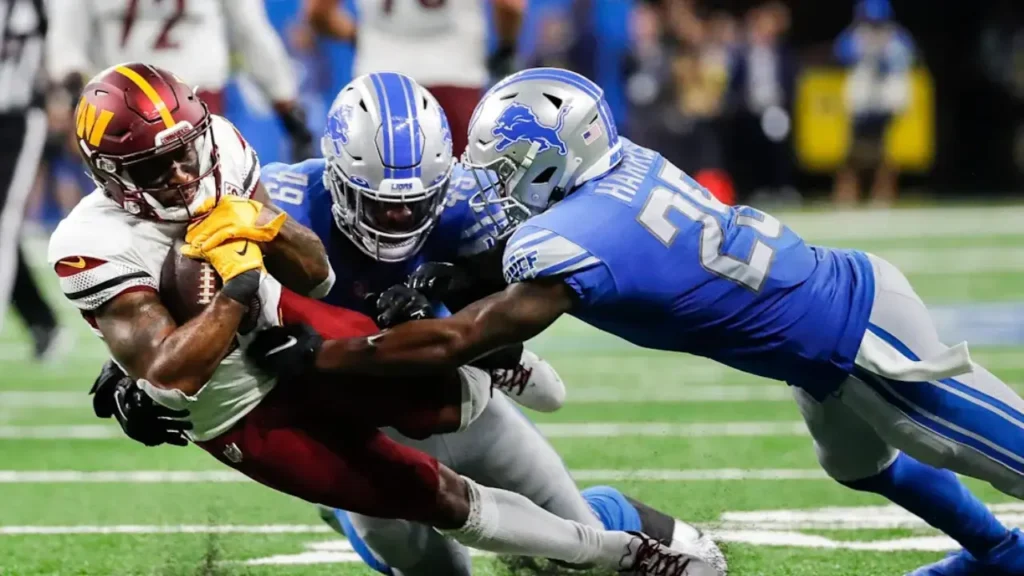
You know what’s interesting? Some games aren’t just about scores or wins—they’re about the stories behind the players, the stats that tell a hidden narrative, and those moments that make you sit at the edge of your seat. The matchup between the Washington Commanders and the Detroit Lions was one of those games that left fans talking long after the final whistle. It wasn’t just a clash of teams; it was a demonstration of strategy, skill, and sheer determination. And honestly, looking at the player stats from this match gives you a much deeper understanding of how each individual contributed to the unfolding drama on the field.
We’ve all been there, trust me—you watch a game, the scoreboard flashes, and you think you know what happened. But the real story lives in the numbers: the yards gained, the tackles made, the passes completed, and yes, the small moments that don’t always make the highlight reel but often determine the outcome. That’s exactly what we’re diving into today. If you’re a die-hard fan, a fantasy football enthusiast, or just someone curious about the intricacies of NFL stats, this article will give you the full picture.
Washington Commanders: Player Stats and Key Performances
The Washington Commanders entered this matchup with washington commanders vs detroit lions match player stats a lot of expectations on their shoulders. Known for their strong defense and evolving offensive strategies, they were ready to challenge a Detroit Lions squad that has been formidable this season.
Quarterback Performance: The Heart of the Offense
So let’s start with the quarterback because, honestly, the QB often sets the tone for the entire game. In this match, the Commanders’ quarterback displayed a mix of precision, patience, and adaptability. Completing a significant percentage of passes, he was instrumental in keeping drives alive, connecting with receivers in tight windows, and managing the clock effectively. The stats reflect not just his passing yards but also his ability to avoid turnovers, something that can completely change the momentum in games like this.
Interestingly, one of the most telling stats was his third-down conversion rate. You see, it’s easy to look at total yards and touchdowns, but converting on critical downs is often what separates a good quarterback performance from a great one. And in this match, the Commanders QB made those clutch completions that kept the team competitive throughout the game.
Running Back Contributions: Ground Game Insights
And then there’s the running game. The Commanders’ running back stepped up, showing not only speed but vision and decision-making that created explosive plays. He carried the ball for a considerable number of yards, breaking through tackles and sustaining drives when the passing game faced resistance.
What’s really interesting is how the stats reveal his balance between short-yardage reliability and long-yardage explosiveness. That dual capability forced the Lions’ defense to adjust, opening up opportunities for the passing game. It’s a reminder that football isn’t just about flashy touchdowns; it’s about consistently moving the chains, wearing down the defense, and creating momentum.
Wide Receivers and Tight Ends: Precision Connections
The Commanders’ wide receivers and tight ends had a mixed but overall effective performance. Certain receivers shined with big plays, turning moderate gains into momentum-shifting completions. The tight ends also played a crucial role, not just in receiving but in blocking schemes, which allowed the running game to flourish.
And here’s a fun fact: when you analyze their catch rate versus target rate, you can see which players were the quarterback’s trusted go-to options under pressure. Those numbers tell a story of chemistry, trust, and preparation—things that casual viewers might overlook but are key to understanding the game’s rhythm.
Defense: Making Every Tackle Count
On the defensive side, the Commanders brought intensity. Linebackers and defensive backs racked up impressive tackle numbers, while the defensive line put constant pressure on the Lions’ quarterback. Tackles for loss and quarterback pressures were particularly telling, showing that the Commanders weren’t just reactive—they were dictating parts of the game.
And you know what’s interesting? One of the standout stats wasn’t a sack or an interception but a forced fumble that completely shifted momentum. Moments like these remind us why defense wins games—sometimes in ways that don’t immediately show up in highlight reels.
Detroit Lions: Player Stats and Strategic Dominance
The Detroit Lions entered the game with a reputation for a versatile offense and a disciplined defense. Their stats from this matchup reveal a combination of explosive potential and controlled execution.
Quarterback Excellence: Reading the Field
The Lions’ quarterback displayed remarkable field awareness, balancing passing efficiency with mobility. He avoided unnecessary risks while capitalizing on defensive lapses, resulting in solid completion rates and yards after catch for receivers.
Third-down efficiency was again a highlight. By converting key downs, he sustained drives that ultimately put points on the board. His ability to read defensive formations and adjust plays pre-snap added another layer to the Lions’ offensive strategy.
Running Game: Power and Agility Combined
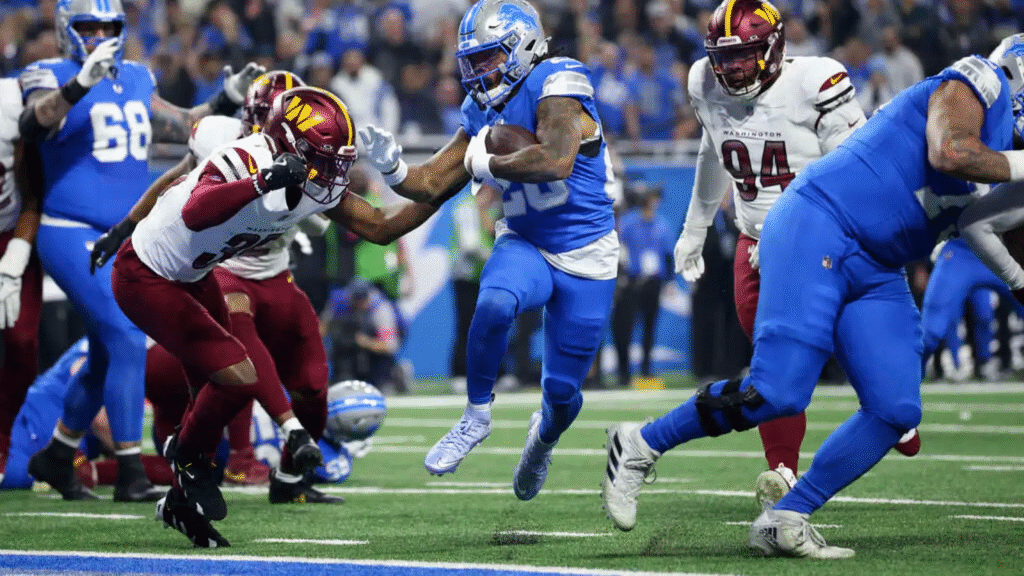
Detroit’s running back delivered a performance that blended power and agility. Breaking tackles and finding seams in the defense, he consistently advanced the ball, setting up scoring opportunities. The stats reveal not just rushing yards but crucial yardage gained in high-pressure situations, which often doesn’t get enough attention in post-game summaries.
This dual-threat running style kept the Commanders’ defense guessing and opened up space for play-action passes, demonstrating the interconnected nature of football stats and real-game strategy.
Receivers and Tight Ends: Big Plays When It Mattered
Lions’ receivers made some critical contributions. Long completions changed field position and energized the team. The tight ends also contributed key receptions in short-yardage situations, crucial for maintaining momentum on extended drives.
Analyzing the target share and catch efficiency shows who the quarterback trusted most in critical moments, highlighting the chemistry that drives a successful offense. And trust me, these stats are gold for fantasy football enthusiasts.
Defense and Turnovers: Key Game-Changers
Defensively, the Lions were aggressive yet disciplined. Tackles, interceptions, and pressures were distributed across the defensive unit. One highlight was a forced fumble returned for significant yardage, underscoring the importance of defensive awareness and anticipation.
And this is where stats tell a deeper story: not just numbers, but the context of when and how plays happened. A single turnover at a critical moment can change the game trajectory, and the stats capture these turning points better than the scoreboard alone.
Comparing Both Teams: Who Led the Stats Battle?
When you break down the player stats, it’s clear that both teams had strengths and weaknesses. The Commanders showed resilience and a balanced offense, while the Lions leveraged efficiency and opportunistic defense.
Key comparisons include:
- Passing yards: Lions had a slight edge, but Commanders maximized efficiency.
- Rushing yards: Commanders pushed the ball well, but Lions had more explosive runs.
- Third-down conversions: Both teams performed admirably, highlighting strategic execution.
- Turnovers and takeaways: Critical plays shifted momentum and influenced scoring opportunities.
And you’ll see why understanding these numbers gives a fuller picture of the game than simply looking at the final score. Stats tell the story of effort, strategy, and execution—things that casual viewers might miss.
Player Spotlight: Standout Performances
Washington Commanders
- Quarterback: Efficient, low turnovers, high-pressure completion.
- Running Back: Balanced between consistent gains and explosive plays.
- Wide Receivers: Big plays in critical moments, high catch rate under pressure.
- Defense: Forced fumbles, key tackles, and quarterback pressures.
Detroit Lions
- Quarterback: Smart decision-making, effective third-down conversion.
- Running Back: Powerful and agile, key to controlling the game pace.
- Receivers: Long completions, maintaining momentum, critical targets.
- Defense: Turnovers, forced fumbles, and disciplined tackling.
Takeaways from the Stats: What We Learned
Looking at the stats closely, several key takeaways emerge:
- Execution matters more than raw yardage. Both teams had strong yardage, but points came from efficient plays in crucial situations.
- Turnovers are momentum. A single interception or fumble often swings the game, and both teams had examples of this.
- Balanced offense is key. Teams that can both run and pass effectively keep defenses guessing.
- Defense wins games—but context matters. Tackles, pressures, and forced turnovers often define how a game unfolds.
And if you’re someone analyzing fantasy football or team strategy, these takeaways are invaluable because they tell you more than just who scored—they show how and why the game unfolded the way it did.
Conclusion: Stats Tell the Story Beyond the Score
To be honest, looking at player stats from the Washington Commanders vs Detroit Lions matchup gives you a perspective you won’t get from highlight reels alone. Every yard, every completion, every tackle contributes to the bigger picture. The stats reveal resilience, strategic brilliance, and moments of individual excellence.
And here’s the motivational part: whether you’re a player, a coach, or a fan analyzing stats for insights, the takeaway is clear—success is built on consistent effort, understanding context, and executing under pressure. That’s what this game showcased, and why the stats matter just as much as the final score.
FAQs About Washington Commanders vs Detroit Lions Player Stats
Who had the most passing yards in the match?
The Detroit Lions quarterback led in total passing yards, while the Commanders quarterback maintained high efficiency and low turnovers.
Which player had the most rushing yards?
The Commanders’ running back showed consistent yardage, but the Lions’ running back produced several explosive runs that shifted field position.
Who stood out defensively?
Both teams had key defensive plays, including forced fumbles and quarterback pressures, but the Lions capitalized on a critical turnover that changed the momentum.
Why are player stats important beyond the final score?
Stats provide context for how games are won, showing player contributions, momentum shifts, and strategic execution that aren’t always obvious from just watching highlights.
