









Animeidhen is a relatively new and evolving term in the realm of anime culture, emerging as a significant subgenre that blends traditional anime elements with unique storytelling styles and themes. The term itself is derived from a combination of ‘anime’ and ‘idhen,’ the latter of which can suggest transformation or redefinition. Thus, Animeidhen reflects a transformative approach to anime, capturing the essence of innovation and cultural relevance in contemporary storytelling.
Its origins can be traced to the growing demand for anime that not only entertains but also challenges societal norms and provokes thought. Animeidhen has garnered a dedicated following due to its emphasis on character development, complex plots, and rich world-building. Unlike traditional anime, which often adheres to established tropes and formulas, Animeidhen invites viewers to immerse themselves in narratives that explore themes such as identity, morality, and existentialism.
What makes Animeidhen unique is its distinct narrative style that often includes fragmented storytelling and multi-layered character arcs. This allows audiences to engage on a deeper level, prompting them to reflect on broader cultural issues and personal experiences. Additionally, Animeidhen may incorporate unconventional art styles and soundtracks, enhancing the overall sensory experience.
Another characteristic element of Animeidhen is the active engagement of audiences. Viewers are not merely passive consumers of content; they often participate through fan interpretations, online discussions, and communal viewing experiences. This collaborative interaction fosters a strong sense of community among fans, further solidifying Animeidhen’s place within the expansive anime culture.
As the landscape of anime continues to evolve, Animeidhen stands out as a testament to the genre’s adaptability and enduring relevance, marking a significant point in the ongoing dialogue about anime’s impact on society and culture.
The Rise of Animeidhen: Historical Context
The phenomenon known as Animeidhen found its roots in the rich tapestry of Japanese animation, or anime, which has captivated audiences worldwide since the mid-20th century. The early stages of anime saw the emergence of landmark works such as Osamu Tezuka’s “Astro Boy” in the 1960s, marking a pivotal moment for the genre. Animeidhen, reflecting a unique artistic and narrative style, began to take shape during the 1990s amidst a renaissance of creative expression in anime, characterized by influential series such as “Neon Genesis Evangelion” and Studio Ghibli films.
As society’s perceptions of anime began to shift, Animeidhen emerged as a subculture that resonated with fans. It embraced thematic depth, compelling character arcs, and innovative animation techniques, contributing to its allure. The 2000s brought the global spread of the internet, further enhancing access to anime content and creating a flourishing community of enthusiasts. The advent of streaming platforms allowed Animeidhen to reach a broader audience, cementing its place in mainstream entertainment. The interaction between fans and creators—fueled by social media—also played a crucial role in this rise, fostering a rich dialogue that cultivated interest and engagement within the community.
Additionally, societal attitudes towards anime evolved, gradually shifting from a niche interest to an accepted facet of popular culture. This evolution can be attributed to increasing visibility in international media events, conventions, and academic analyses, which highlighted the cultural significance of works associated with Animeidhen. Influential figures in the industry, such as Hayao Miyazaki and Satoshi Kon, further popularized anime through their groundbreaking contributions, setting benchmarks for quality and narrative complexity. Overall, the historical context of Animeidhen illuminates its journey from marginalization to acceptance, underscoring the dynamic relationship between art and societal shifts throughout the decades.
Key Features of Animeidhen
Animeidhen stands out as a captivating realm within the broader spectrum of anime culture, showcasing its distinct features that resonate with audiences worldwide. One of the hallmark artistic styles associated with Animeidhen is its vibrant visuals, characterized by imaginative character designs and intricate backgrounds. Such artistic elements often evoke emotional responses, drawing viewers deeply into the narrative world.
In terms of narrative structures, Animeidhen frequently employs multi-layered plots that weave together various character arcs. These narratives often challenge conventional storytelling by introducing complex dilemmas and moral ambiguity. The interplay between lighthearted moments and profound themes reflects the genre’s ability to engage audiences emotionally while also provoking thought.
Character archetypes play a significant role in Animeidhen, with a variety of personas ranging from the spirited protagonist to the morally gray antagonist. These characters often embody deeper themes such as personal growth, societal conflicts, and existential reflections, inviting viewers to explore their own values and beliefs. The archetypes are not rigid; instead, they evolve throughout the series, further enhancing viewer engagement.
Thematic explorations in Animeidhen are rich and diverse, often delving into aspects such as friendship, sacrifice, and the quest for identity. Themes related to technology and its impact on society are also prevalent, especially in works that incorporate elements of science fiction. Through the lens of Animeidhen, creators examine the human condition and its intricacies, allowing a broad audience to find relatable narratives amidst fantastical settings.
Overall, the combination of artistic styles, intricate narrative structures, and compelling character archetypes contribute to the magnetism of Animeidhen. This genre not only entertains but also offers profound insights into life, making it an essential part of the contemporary anime landscape.
The Future of Animeidhen

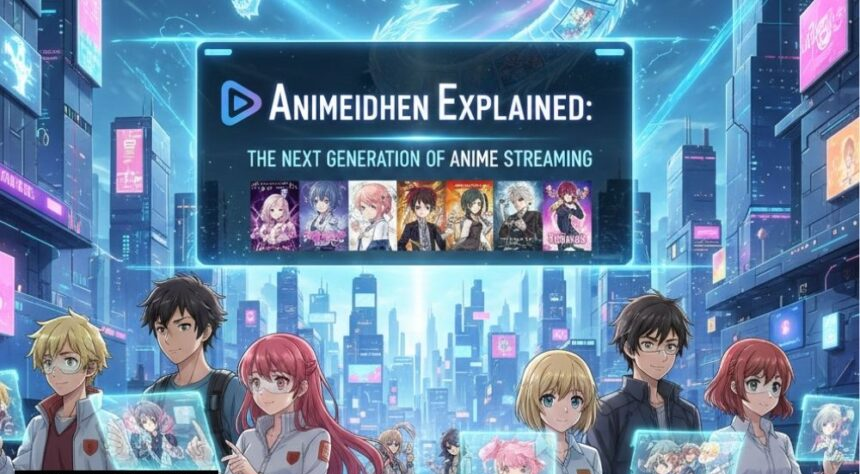
The trajectory of Animeidhen is poised for transformative growth as it intertwines with technological advancements and shifting audience dynamics. The proliferation of streaming platforms has immensely broadened access to anime, enabling fans from diverse backgrounds to engage with the culture in unprecedented ways. With services such as Crunchyroll and Netflix investing heavily in original anime productions, the reach of Animeidhen continues to expand, presenting creators with opportunities to experiment with new styles and narratives.
Additionally, social media platforms serve as conduits for fan engagement and expression, allowing communities to gather, share insights, and appreciate various anime works. Platforms like Twitter and TikTok have become arenas for fans to discuss theories, promote lesser-known titles, and even shape the industry through direct feedback channels to creators. thesindi com This direct line of communication not only fosters a sense of community but also propels Animeidhen towards a more interactive future, where audience participation can significantly influence creative directions.
However, the evolution of Animeidhen is not without its challenges. As the genre finds itself at the intersection of tradition and innovation, creators must navigate shifting audience expectations while maintaining the core elements that define anime culture. The potential for oversaturation becomes a concern as more titles emerge in rapid succession, demanding that industry stakeholders actively seek differentiation. Moreover, issues such as content representation and inclusivity are increasingly coming into focus. As Animeidhen evolves, adaptation to these challenges will be crucial to sustain its vitality and relevance in a fast-paced digital landscape.
In conclusion, the future of Animeidhen is bright yet complex, driven by technology and the evolving nature of its audience. By embracing innovation while honoring traditional narratives, the anime community may continue to thrive in the years to come.

