









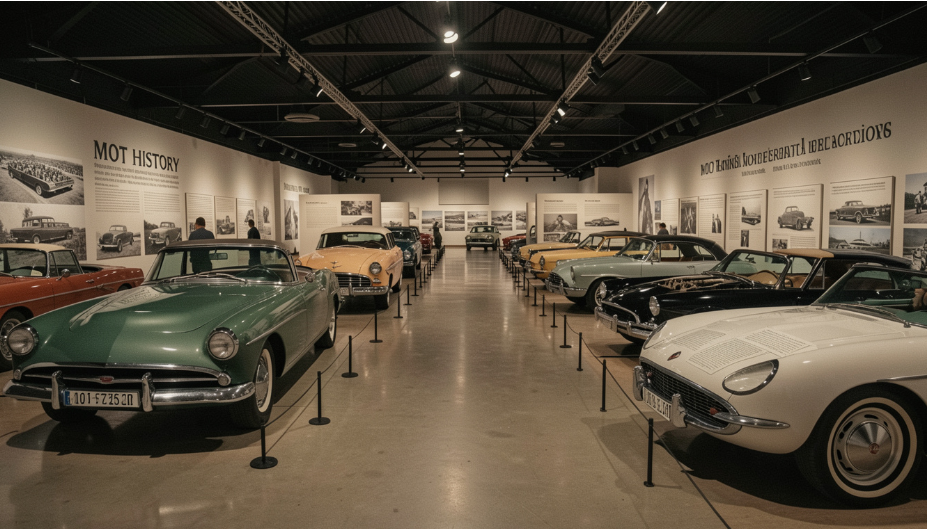
Ever wondered why we have to take our cars for an annual check-up? It feels like a rite of passage for every driver in the UK. One day you’re cruising along, and the next, you’re biting your nails in a garage waiting area. This yearly ritual is known as the MOT test. But where did it all start? The mot history is more than just a timeline of rules; it’s a story of how our roads became some of the safest in the world.
From its humble beginnings in the 1960s to the high-tech digital era of today, the MOT has changed a lot. It started as a simple check for old cars and grew into a massive safety net for everyone. Let’s take a trip down memory lane and look at how this essential test evolved over the decades.
What Exactly is the MOT Test?
The letters “MOT” actually stand for the Ministry of Transport. This was the government department in charge of roads back when the test was first created. Even though that department has changed names many times, the nickname stuck! Today, the test is managed by the Driver and Vehicle Standards Agency (DVSA).
The main goal of the MOT is to make sure your car is safe to drive. It isn’t the same as a service, which focuses on the health of your engine. Instead, the MOT looks at things like your brakes, lights, and tyres to ensure you aren’t a danger to yourself or others. Understanding the mot history helps us see why these specific checks were added.
The Birth of the MOT: The 1960s
The mot history officially began on September 12, 1960. At first, the test was voluntary. Can you imagine that? You only had to bring your car in if it was more than ten years old. Back then, people called it the “ten-year test.”
However, the results were shocking. So many cars failed the basic checks that the government realized they had a problem. By 1961, the test became mandatory. As the years went by, they realized ten years was too long to wait. In 1967, the age for a car’s first test was dropped to just three years old—a rule that still stands for most cars today!
Key Milestones in MOT History
| Year | Key Change or Event |
| 1960 | The MOT test is introduced (voluntary at first). |
| 1961 | MOT becomes mandatory for cars over 10 years old. |
| 1967 | The testing age is reduced from 10 years to 3 years. |
| 1977 | New checks added: wipers, indicators, and horns. |
| 1991 | Emissions testing starts for petrol cars. |
| 2005 | The MOT system goes digital with a central database. |
| 2012 | Modern tech checks like airbags and ESC are added. |
| 2018 | New defect categories: Minor, Major, and Dangerous. |
How the Test Expanded in the 1970s and 80s
During the 1970s, cars were getting faster and more people were driving. This meant the mot history had to keep up. In 1977, the checklist grew significantly. Before this, the test only looked at brakes, steering, and lights.
Suddenly, testers were looking at your windscreen wipers, your indicators, and even the condition of the car’s body. They wanted to make sure that rust wasn’t making vehicles structurally unsound. In 1983, the rules tightened for “high-use” vehicles like taxis and ambulances. These vehicles had to be tested after just one year because they were on the road so much more than a normal family car.

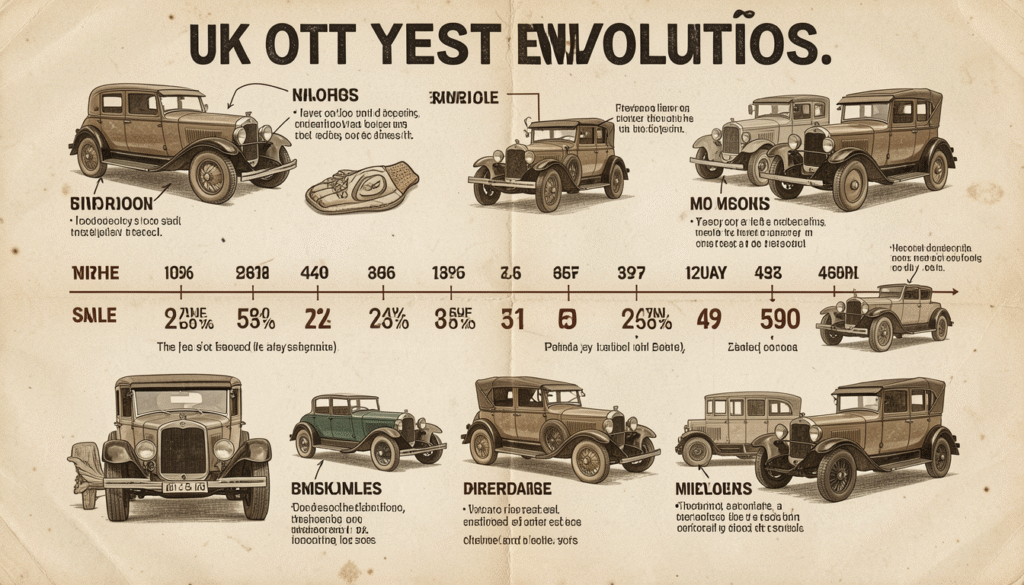
The 1990s: Focusing on the Environment
By the 1990s, people started worrying more about the planet. This changed the mot history forever. In 1991, the government introduced emissions testing for petrol engines. They wanted to reduce the black smoke and chemicals coming out of exhausts.
It wasn’t just about the air, though. Safety tech was moving fast. This decade saw the introduction of checks for Anti-lock Braking Systems (ABS) and rear seatbelts. If your car had these features, they had to work. The minimum tyre tread depth was also raised to 1.6mm in 1992 to help cars grip the road better in the rain.
The Digital Revolution of 2005
For a long time, MOT certificates were just pieces of paper. If you lost yours, it was a big headache! That changed in 2005 when the mot history entered the digital age. All test centres were linked to a central computer system.
This was a huge win for car buyers. Now, you can go online and check the mot history of any car just by using its number plate. You can see every time it passed, every time it failed, and what the mileage was at each test. This makes it much harder for people to lie about a car’s condition when they are trying to sell it.
The 2012 Overhaul: Electronic Systems
As cars became “computers on wheels,” the MOT had to adapt again. In 2012, many new electronic checks were added. This included things like dashboard warning lights, Electronic Stability Control (ESC), and even your speedometer.
The mot history shows that as cars became more complex, the test had to become more technical. If your airbag light is staying on, your car will fail. This is because these systems are vital for keeping you safe in a crash. The 2012 update ensured that a “pass” really meant the whole car was safe, not just the mechanical bits.
Big Changes in 2018: New Defect Categories
In May 2018, the way we talk about MOT results changed. Instead of just “Pass” or “Fail,” we got three new categories for faults:
- Minor: The car passes, but you should fix the issue soon.
- Major: An automatic fail. You must fix it before you can drive.
- Dangerous: The most serious fail. You cannot drive the car away from the garage.
This change in mot history helped drivers understand exactly how urgent a repair was. It also introduced an exemption for most cars over 40 years old, as long as they haven’t been heavily modified. These classic cars are now seen as “historic vehicles.”
Checking MOT History When Buying a Used Car
One of the best things about modern mot history is how easy it is to access. If you are looking at a used car, always check its past records. Look for patterns of “advisories.” If the same issue appears year after year, it might mean the owner didn’t take good care of the car.
A clean mot history is a great sign that a vehicle has been loved. On the other hand, a history full of “Dangerous” fails and “Major” defects should be a red flag. It’s like a medical record for a car—it tells you exactly what has gone wrong in the past.
The Future of the MOT Test
What is next for mot history? With electric vehicles (EVs) becoming more common, the test will likely change again. EVs don’t have traditional exhausts, so emissions tests won’t be needed for them. However, their batteries and heavy weight mean that tyres and suspension might get even more attention.
There are also talks about using cameras and photos to stop fraud. The DVSA is always looking for ways to make the test more honest. No matter what happens, the mot history will continue to evolve alongside the cars we drive.
Summary of the MOT Evolution
The journey of the mot history is a long one. We went from a world where old cars could drive around with no brakes to a system that checks everything from your bulbs to your battery.
While it can be a bit of a pain to book your car in every year, it’s worth it. Knowing that every car on the road has met a minimum safety standard gives us peace of mind. So, next time you get your certificate, remember that you’re part of a 60-year tradition of road safety!
Frequently Asked Questions
1. When was the MOT test first introduced?
The mot history began in 1960. It was originally a voluntary check for cars that were at least ten years old to ensure they were still safe to be on the road.
2. Can I check the mot history of a car for free?
Yes! You can check any car’s mot history on the official government website. All you need is the vehicle’s registration number (the number plate).
3. Why did they change the rules in 2018?
The 2018 changes were made to align with European safety standards. They introduced the “Minor, Major, and Dangerous” categories to make it clearer for drivers how safe their car actually is.
4. Are classic cars exempt from the MOT?
In the latest chapter of mot history, most cars over 40 years old are exempt. This is because owners of classic cars usually keep them in very good condition anyway!
5. What were the original things checked in 1960?
Back at the start of mot history, the test only looked at three things: brakes, lights, and steering. It was very basic compared to the 20+ checks we have today.
6. Does an MOT mean my car is in perfect condition?
Not necessarily. An MOT just means your car meets the minimum legal standard for safety at that moment. It is still important to get regular services to keep your engine healthy.

