









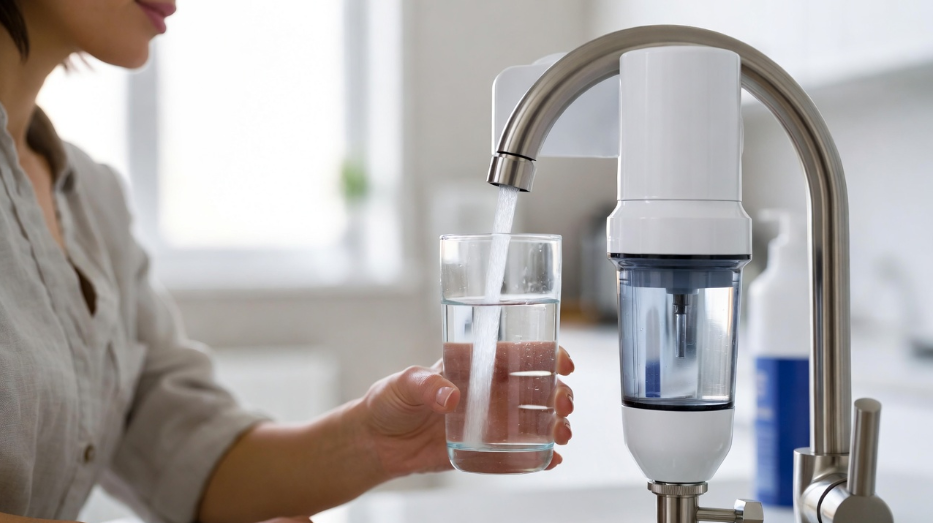
Have you ever noticed white crusty spots on your faucets? Or maybe your skin feels itchy and dry after a shower? These are common signs of hard water. Living with hard water is a struggle for many families. It makes your soap less bubbly and leaves your hair feeling like straw. But there is a great solution. A soft water system can change your life by removing the minerals that cause these problems.
When you switch to soft water, you will notice the difference immediately. Your clothes come out of the laundry feeling softer. Your dishes will finally sparkle without those annoying water spots. It’s not just about looks, though. A soft water system protects your expensive appliances like the dishwasher and water heater. This means you save money on repairs over time. It is a smart investment for any homeowner who wants a cleaner, smoother lifestyle.
What Exactly Is a Soft Water System?
You might be wondering how this technology actually works. At its core, a soft water system is a filtration unit that treats your home’s water supply. Most units use a process called ion exchange. Think of it like a magnet. The system pulls out “hard” minerals like calcium and magnesium. In their place, it adds a tiny bit of sodium. This simple swap makes the water “soft.”
The heart of the machine is the resin tank. This tank is filled with tiny beads. As water flows through, the beads trap the minerals. Eventually, the beads get full and need a bath. This is called the regeneration cycle. A soft water system is basically a silent helper in your garage or basement. It works 24/7 to make sure every drop of water in your house is high quality and gentle on your body.
Comparing Different Water Treatment Options
| Feature | Salt-Based Softener | Salt-Free Conditioner | Dual-Tank System |
| Main Goal | Removes minerals | Prevents scale buildup | Non-stop soft water |
| Maintenance | Needs salt refills | Filter changes | Needs salt refills |
| Best For | Very hard water | Eco-friendly homes | Large families |
| Skin Feel | Very slippery/slick | Natural feel | Very slippery/slick |
| Cost | Moderate | Moderate to High | High |
The Big Benefits of Using a Soft Water System
One of the best things about a soft water system is how much money you save on cleaning supplies. Hard water hates soap. It creates a “curd” instead of bubbles. When you have soft water, you only need a tiny bit of shampoo or laundry detergent. You will find yourself buying these items much less often. This adds up to hundreds of dollars in savings every single year.
Another benefit is the health of your skin and hair. Hard water strips away natural oils. This leads to dandruff and dry patches. A soft water system allows your natural oils to stay where they belong. Many people with eczema find that their skin clears up after installing a system. It’s like having a spa treatment every time you turn on the tap. You deserve to feel comfortable in your own skin.
How to Choose the Right Size for Your Family

Picking the right soft water system depends on two main things. First, how hard is your water? You can buy a cheap test kit to find out. Second, how many people live in your house? A family of six uses much more water than a couple living alone. If the system is too small, it will struggle to keep up. If it’s too big, you are wasting money.
I always tell my friends to look at the “grain capacity.” This number tells you how much hardness the system can handle before it needs to clean itself. For a standard home, a 32,000-grain soft water system is usually plenty. If you have a massive house with four bathrooms, you might want to go bigger. Getting the size right ensures you never run out of soft water during a busy morning.
Salt-Based vs. Salt-Free Systems
There is a lot of debate about which soft water system is better. Salt-based systems are the “gold standard.” They actually remove the minerals. This gives you that classic slippery feel. However, you do have to carry heavy bags of salt to the tank. It is a bit of a workout! If you have very hard water, this is usually the best path to take for real results.
Salt-free systems are technically “water conditioners.” They don’t remove minerals. Instead, they change the minerals so they don’t stick to pipes. A salt-free soft water system is great because it requires very little work. You don’t need salt, and it doesn’t waste any water. However, it won’t give you that super soft feeling in the shower. It’s all about what matters most to you: convenience or total softness.
Installing Your New System
Can you install a soft water system yourself? If you are handy with tools, maybe! You need to cut into your main water line. You also need a place for the waste water to drain. Most people prefer to hire a professional plumber. A pro ensures there are no leaks. They also make sure the system is programmed correctly for your specific water hardness level.
If you do it yourself, read the manual twice. You must install a “bypass valve.” This allows you to turn off the soft water system if you need to water the lawn. You don’t want to waste softened water on your grass! Taking the time to set it up right means the system will last for 15 years or more. It’s worth doing the job correctly the first time.
Maintenance Tips for a Long Life
Owning a soft water system is pretty easy. The main task is checking the salt level. I usually check mine once a month. You want to make sure the salt isn’t clumping together into a “bridge.” If a bridge forms, the water can’t reach the salt. Just poke it with a broom handle to break it up. It is a simple two-minute chore that keeps things running.
You should also clean the brine tank once a year. Over time, dirt and sediment can settle at the bottom. A clean soft water system works much better than a dirty one. Some people also like to add a “resin cleaner” liquid. This keeps the beads inside the tank fresh and strong. With just a little bit of love, your system will stay in great shape for a very long time.
Signs Your System Needs Repair
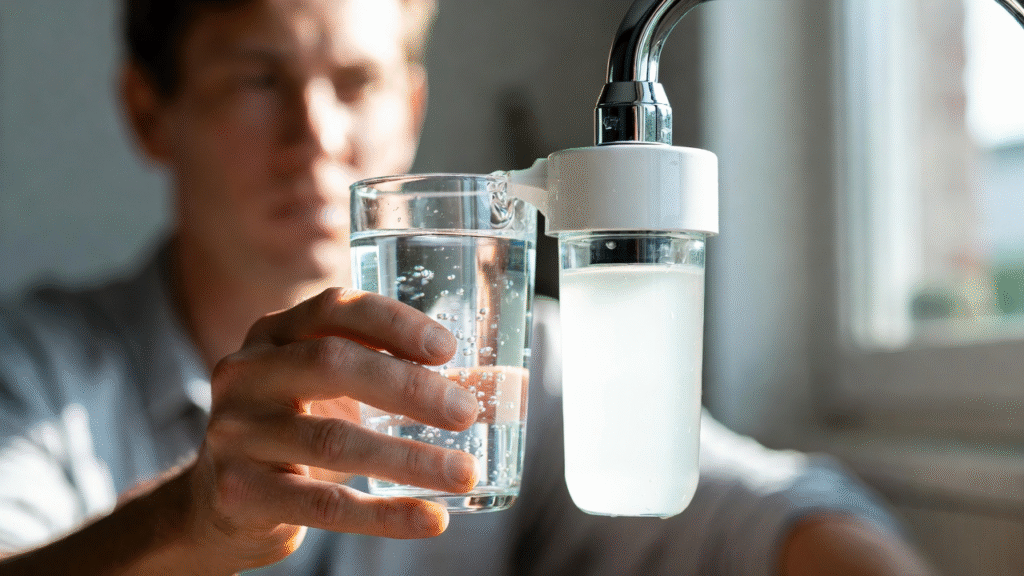
Even the best soft water system can have a bad day. If you notice spots on your glasses again, something is wrong. First, check the power plug. Sometimes it just gets bumped! Next, check the salt. If the tank is full of salt but the water is hard, the system might be “bridged” or the motor might be stuck.
Another sign of trouble is if the water pressure drops. This could mean the resin beads are leaking into your pipes. If your soft water system starts making strange clicking noises, call a technician. Most issues are easy to fix if you catch them early. Don’t wait until your pipes are clogged with lime again. A quick repair can save you from buying a whole new unit.
Eco-Friendly Water Softening Ideas
Some people worry about the salt that a soft water system sends down the drain. This can be tough on the environment in some areas. If you are worried about this, look for a “demand-initiated” system. These only regenerate when they actually need to. This saves a lot of salt and water compared to systems that run on a simple timer.
You can also use potassium chloride instead of salt. It works the same way in your soft water system but is better for plants and people who are on low-sodium diets. It is more expensive than regular salt, but it’s a great way to stay green. Making small changes helps you enjoy the benefits of soft water while being a good neighbor to Mother Earth.
Dealing with Limescale for Good
Limescale is the white, stony stuff that grows inside your kettle and pipes. It is a total nightmare for plumbing. A soft water system is the ultimate enemy of limescale. By removing the calcium, the scale simply cannot form. If you already have scale in your pipes, soft water can actually help dissolve it over time.
Think of your soft water system as a shield. It stops the “hardening of the arteries” in your home’s plumbing. Your dishwasher will run more quietly, and your water heater will heat up faster. Without that layer of rock inside, your appliances don’t have to work as hard. This lowers your electric bill and makes your home much more efficient. It’s a win for your wallet!
Frequently Asked Questions
Can I drink water from a soft water system?
Yes, you can! However, it does contain a tiny bit of extra sodium. If you are on a very strict low-salt diet, you might want to use a separate filter for drinking. For most people, the amount of salt is very small—less than a slice of bread!
Will soft water make my hair greasy?
Actually, it’s the opposite! A soft water system helps rinse away all the soap. Hard water leaves a film that makes hair look dull. Soft water leaves your hair clean and bouncy. It might feel “slippery” at first, but that’s just your natural hair without the gunk.
How much salt does a soft water system use?
An average family uses about one 40-pound bag of salt per month. This depends on how hard your water is and how much you use. It usually costs about $5 to $10 a month to keep it running.
Does a soft water system remove lead?
No, a standard softener is not a health filter. It is designed to remove minerals like calcium. If you are worried about lead or chemicals, you should add a carbon filter or a Reverse Osmosis system alongside your softener.
How long does a system last?
A high-quality soft water system usually lasts between 10 and 15 years. If you take care of it and use good salt, some can even last 20 years! It is one of the longest-lasting appliances in most homes.
Does soft water feel slimy?
Some people describe the feeling as “silky” or “slippery.” This is because the hard minerals are gone. Your skin’s natural oils are finally able to reach the surface. Once you get used to it, you will never want to go back to “scratchy” hard water!
Conclusion: Start Your Soft Water Journey
Investing in a soft water system is one of the best things you can do for your home. From saving money on soap to protecting your pipes, the benefits are clear. You will feel better, your clothes will look better, and your house will stay cleaner with much less effort. It’s a total game-changer for your daily routine.
Are you tired of scrubbing white spots off your shower door? It might be time to take the next step. Test your water today and see if a soft water system is right for you. You deserve to have water that works for you, not against you.


