


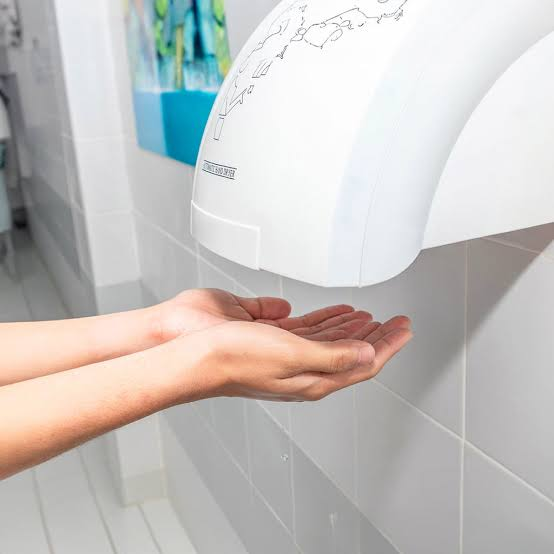
Choosing reliable hand dryer manufacturers is important for businesses that want clean, efficient, and practical washroom solutions. Hand dryers are now common in offices, shopping centers, hotels, schools, hospitals, airports, restaurants, and public facilities. They offer a convenient way to dry hands while reducing the need for paper towels.
Manufacturers produce different types of hand dryers to meet various needs. These include automatic hand dryers, high-speed dryers, wall-mounted models, and stainless-steel units. Each model can offer different drying speeds, noise levels, power consumption, and durability.
When selecting a manufacturer, buyers should look beyond the product price. Build quality, technology, warranty, maintenance, energy efficiency, and customer support can all affect long-term value. This article explains what to consider when choosing hand dryer manufacturers and how to find the best option for your facility.
What Are Hand Dryer Manufacturers?
Hand dryer manufacturers are companies that design, produce, and supply electric hand-drying equipment. Their products are made for different commercial, industrial, and public washroom environments.
A manufacturer may offer several product ranges. Some focus on basic electric hand dryers, while others specialize in high-speed or sensor-operated systems. Advanced manufacturers may also provide touch-free technology and energy-saving features.
Good manufacturers normally focus on safety, performance, durability, and user convenience. They may also follow recognized manufacturing and electrical safety standards. Buyers should review product specifications before placing large orders.
Why Quality Matters in Hand Dryers
A hand dryer can be used hundreds of times each day in busy facilities. Poor-quality equipment may fail quickly, become noisy, or require frequent repairs.
Quality construction helps a dryer perform consistently over a longer period. Strong housing materials can also protect internal components from everyday impact and moisture.
Reliable products can reduce maintenance costs over time. They may also provide better drying performance and a more comfortable experience for users. For commercial facilities, investing in dependable equipment can therefore be more valuable than choosing the cheapest product available.
Types of Hand Dryers Available
Hand dryer manufacturers offer several designs for different applications. Traditional warm-air dryers use an electric heating element and fan to circulate warm air over the hands.
High-speed dryers use powerful airflow to remove water quickly. They can help reduce drying time and may be suitable for busy public washrooms.
Automatic hand dryers use infrared or other sensors to detect hands. Users do not need to touch the unit, which can improve convenience and reduce contact with surfaces.
Wall-mounted designs are also popular because they save floor and counter space. Stainless-steel models are often selected for areas where durability and a professional appearance are important.
Automatic Hand Dryer Technology
Automatic technology has become a major feature in modern washrooms. A sensor detects when a user’s hands are placed under the dryer and activates the motor automatically.
This touch-free operation can make the drying process simple and convenient. It also removes the need to press a button or touch a switch.
Manufacturers continue to improve sensors, motors, airflow systems, and electronic controls. Buyers should compare sensor response, drying speed, noise level, and power consumption before selecting a model.
Benefits of Choosing Reliable Manufacturers
Working with established hand dryer manufacturers can provide several advantages. Product consistency is one of the most important benefits, especially for companies purchasing multiple units.
Reliable manufacturers may provide detailed technical specifications and installation instructions. They can also offer replacement parts and after-sales support.
A dependable supplier can make it easier to maintain equipment across multiple locations. This is particularly useful for hotels, retail chains, schools, airports, and large office buildings.
Materials Used in Hand Dryers
The material used in a hand dryer affects its appearance, strength, and service life. Plastic housings can provide a lightweight and affordable solution for many applications.
Stainless steel is another popular choice. It provides a professional appearance and can offer strong resistance to everyday wear. Different grades and finishes may be available depending on the product.
Manufacturers may also use durable internal components designed to withstand repeated operation. When comparing products, buyers should consider both external housing quality and internal component reliability.
Energy Efficiency and Operating Costs
Energy consumption is an important consideration for commercial washrooms. A dryer that operates many times every day can contribute to a facility’s overall electricity usage.
Modern manufacturers often develop products with efficient motors and optimized airflow. Some models reduce heating power or use high-speed air movement to achieve faster drying.
Buyers should check the rated power, expected operating cycle, and drying time. Looking at the complete operating cost is often more useful than comparing purchase prices alone.
Hygiene Features to Consider
Hygiene is a major concern in public and commercial washrooms. Touch-free operation can help reduce the need for users to contact the dryer.
Some modern hand dryers may include features designed to support cleaner operation. These can include automatic sensors, easy-to-clean surfaces, and specially designed airflow systems.
However, buyers should avoid making unsupported hygiene claims about any product. It is better to review the manufacturer’s technical information and relevant testing documentation before making a purchasing decision.
Durability and Maintenance
Durability is especially important in locations with heavy daily traffic. A commercial hand dryer should be designed to handle repeated use without excessive breakdowns.
Maintenance requirements should also be considered before purchasing. Products with accessible components and readily available replacement parts may be easier to service.
Regular cleaning can help keep the external surfaces and sensor areas in good condition. Following the manufacturer’s maintenance instructions can also help extend equipment life.
How to Choose the Right Manufacturer
Choosing the right manufacturer starts with understanding your facility’s needs. Consider the number of users, washroom size, installation location, expected usage, and available electrical supply.
Next, compare product specifications. Look at drying speed, noise, power consumption, materials, dimensions, and operating features.
You should also investigate the manufacturer’s reputation and customer support. Reviews, certifications, warranties, technical documents, and product samples can help buyers make a more informed decision.
For large projects, requesting quotations from several manufacturers can make comparison easier. Avoid selecting a supplier based only on the lowest price.
Hand Dryers for Different Commercial Spaces
Different facilities may require different types of hand dryers. Offices may prefer compact and quiet models that fit modern washroom designs.
Restaurants and shopping centers often need durable products capable of handling frequent use. Airports and transportation facilities may require high-speed dryers because of heavy traffic.
Hotels may place greater emphasis on appearance, noise, and user comfort. Schools and public buildings may prioritize durability, easy maintenance, and operating costs.
A good manufacturer should offer product options suitable for these different environments.
Customization and Private Label Options
Some hand dryer manufacturers provide customization services for businesses and distributors. Options may include different finishes, branding, packaging, or product configurations.
Private-label manufacturing can be useful for companies that want to sell hand dryers under their own brand. However, buyers should carefully evaluate manufacturing capacity, quality control, lead times, and minimum order quantities.
Clear communication is essential when ordering customized products. Product specifications and quality requirements should be agreed upon before production begins.
Importance of Warranty and Customer Support
Warranty coverage can provide additional confidence when purchasing commercial equipment. Buyers should understand what the warranty covers and how long it lasts.
Customer support is equally important. Technical assistance can be helpful during installation, troubleshooting, and maintenance.
Before purchasing, ask about replacement parts, repair procedures, service availability, and response times. A manufacturer with strong after-sales support can provide better long-term value.
Questions to Ask Hand Dryer Manufacturers
Before placing an order, buyers should ask manufacturers several important questions. What is the product’s drying time? How much electricity does it use? What materials are used?
It is also useful to ask about sensor performance, noise levels, warranty coverage, replacement parts, and installation requirements.
For large orders, ask about production capacity and delivery schedules. If customization is required, confirm minimum order quantities and quality-control procedures.
These questions can help businesses compare suppliers more effectively and avoid unexpected costs later.
Final Thoughts
Choosing the right hand dryer manufacturers can make a major difference in washroom performance, maintenance, and long-term operating costs. The best choice depends on the specific requirements of the facility.
Buyers should consider product quality, drying performance, energy efficiency, materials, hygiene-related features, durability, warranty, and customer support. Comparing several manufacturers can also help identify the right balance between price and quality.
Whether you need a single wall-mounted dryer or equipment for a large commercial project, careful research is worthwhile. A reliable manufacturer can provide dependable products that improve user convenience while supporting efficient and modern washroom management.
