










What is RepMold?
RepMold is an innovative material designed for use in various engineering and manufacturing processes. It is characterized by its unique composition, which typically includes thermoplastics and elastomers, allowing it to exhibit flexible yet durable properties. This combination enables RepMold to serve as an ideal solution for a multitude of applications, particularly in industries that require high reliability and efficiency.
The structure of RepMold sets it apart from traditional molding materials such as metal or rigid plastics. Its versatility facilitates rapid prototyping and production, allowing manufacturers to quickly adapt to changes in design without compromising on quality. The intrinsic qualities of RepMold, including its lightweight nature and resistance to impacts, further contribute to its growing popularity among engineers and designers.
One crucial advantage of RepMold is its ability to be customized according to specific project requirements. This adaptability makes it particularly valuable in sectors such as automotive, aerospace, and consumer goods. By using RepMold, companies can streamline their production processes while maintaining a high standard of output. Unlike conventional materials that may require extensive tooling, RepMold can often be shaped and molded through processes like 3D printing, leading to significant time and cost savings.
Moreover, RepMold’s sustainability features cannot be overlooked. The material often incorporates recyclable components, aligning with eco-friendly practices and reducing overall waste. This aspect appeals to businesses increasingly focused on green initiatives and sustainable manufacturing technologies. Overall, RepMold represents a significant advancement in materials science, proving essential in enhancing efficiency and innovation across multiple industries.
Applications of RepMold
RepMold has carved a significant niche for itself across numerous sectors due to its versatility and effectiveness in various applications. One of the primary areas where RepMold is utilized is the automotive industry. Here, it is often employed for creating precise moldings for components such as dashboards, door panels, and other internal fittings. The lightweight nature of RepMold contributes to overall fuel efficiency while ensuring durability and seamless fitment for automotive parts.
In addition to automotive applications, RepMold has found its way into the aerospace sector. Aerospace manufacturers utilize this material for producing lightweight structural parts and components that require strong mechanical properties. The ability of RepMold to withstand harsh environmental conditions makes it an ideal choice for applications where reliability is paramount. For instance, components made from RepMold can be found in various aircraft interiors, where weight savings and enhanced structural integrity are critical.
The consumer goods sector also benefits from RepMold’s extensive capabilities. With its ease of customization, RepMold allows manufacturers to innovate with unique designs for products ranging from electronics casings to furniture. An example includes smartphone casing that leverages the material’s strength, making it more resistant to drops and wear. Notably, RepMold plays a vital role in sustainable product design, helping brands utilize eco-friendly materials while maintaining high performance standards.
Overall, the integration of RepMold across these diverse industries underscores its practical applications. The advantages it offers, from reduced weight to enhanced durability and design flexibility, make it a preferred choice, fostering innovation and efficiency in product development processes.
Benefits of Choosing RepMold Over Traditional Materials
RepMold presents numerous advantages over conventional molding materials, making it an increasingly popular choice among manufacturers and engineers. One of the primary benefits is its enhanced durability. Unlike traditional materials, RepMold demonstrates exceptional resilience to various environmental conditions, which significantly extends the lifespan of the molded products. This durability not only results in fewer replacements but also ensures consistent performance over time.
Cost-effectiveness is another compelling reason to consider RepMold. Traditional molding materials often involve higher initial investments and frequent maintenance costs. In contrast, RepMold allows for reduced production expenses due to its efficiency in the manufacturing process. The shorter cycle times and lower scrap rates associated with RepMold further contribute to overall financial savings for businesses.
Ease of use is a significant factor in the growing preference for RepMold. The material can be easily manipulated, enabling manufacturers to achieve intricate designs and complex geometries that may be challenging with conventional options. The flexibility in processing techniques not only streamlines production but also opens up new possibilities for innovation and design creativity.
Environmental benefits are also noteworthy. RepMold often utilizes sustainable practices during its production, which aligns with the increasing emphasis on eco-friendly manufacturing processes. Many traditional materials contribute to waste and pollution, whereas RepMold can be manufactured from recycled components, reducing its carbon footprint.
In summary, the compelling attributes of RepMold—its durability, cost-effectiveness, ease of use, and lower environmental impact—make it a superior alternative to traditional molding materials. As industries continue to evolve, the adoption of RepMold is anticipated to rise, reflecting its capacity to meet contemporary manufacturing challenges.
Future Trends in RepMold Development

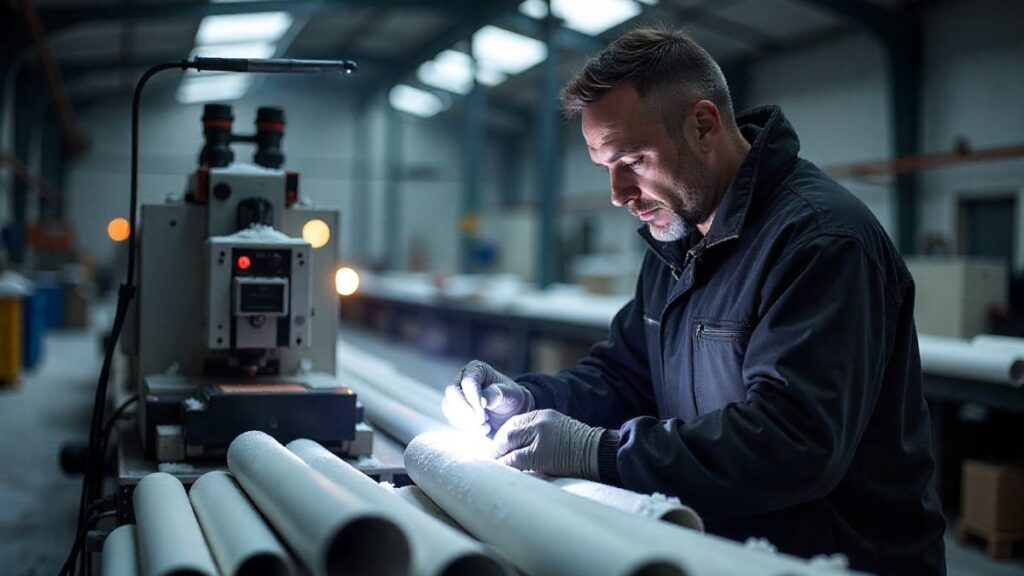
The field of RepMold is poised for a remarkable evolution, largely driven by advances in material technology and innovative application strategies. As manufacturers and engineers continuously strive for improved efficiency and sustainability, the prospects for RepMold will be increasingly significant. Emerging trends suggest a surge in the development of bio-based materials that can be utilized in RepMold applications. These materials not only offer environmental benefits but also enhance the performance characteristics of molded components.
Furthermore, the integration of smart technologies along with RepMold is anticipated to change the landscape of manufacturing. Innovations in sensors and monitoring systems could lead to smarter molding processes, resulting in real-time 99999000101g adjustments to optimize quality and reduce waste. This shift towards intelligent manufacturing aligns well with the industry’s push towards Industry 4.0, where the synergy between traditional manufacturing techniques and digital technology becomes paramount.
Ongoing research into advanced polymers and composite materials also indicates that the versatility of RepMold could be significantly enhanced. For instance, the introduction of lightweight yet durable materials could open new avenues for applications across various sectors including aerospace, automotive, and consumer goods. This could ultimately lead to a decrease in production costs and an increase in performance, solidifying RepMold’s place in future engineering solutions.
Moreover, the emphasis on customization within manufacturing indicates that RepMold will play a pivotal role in meeting the growing demand for personalized products. As consumers increasingly seek tailored solutions, the adaptability inherent in RepMold technologies will be instrumental in fulfilling these requirements. In conclusion, the future of RepMold appears to be on a promising trajectory, with continuous innovation set to expand its applications and improve operational efficiencies.

